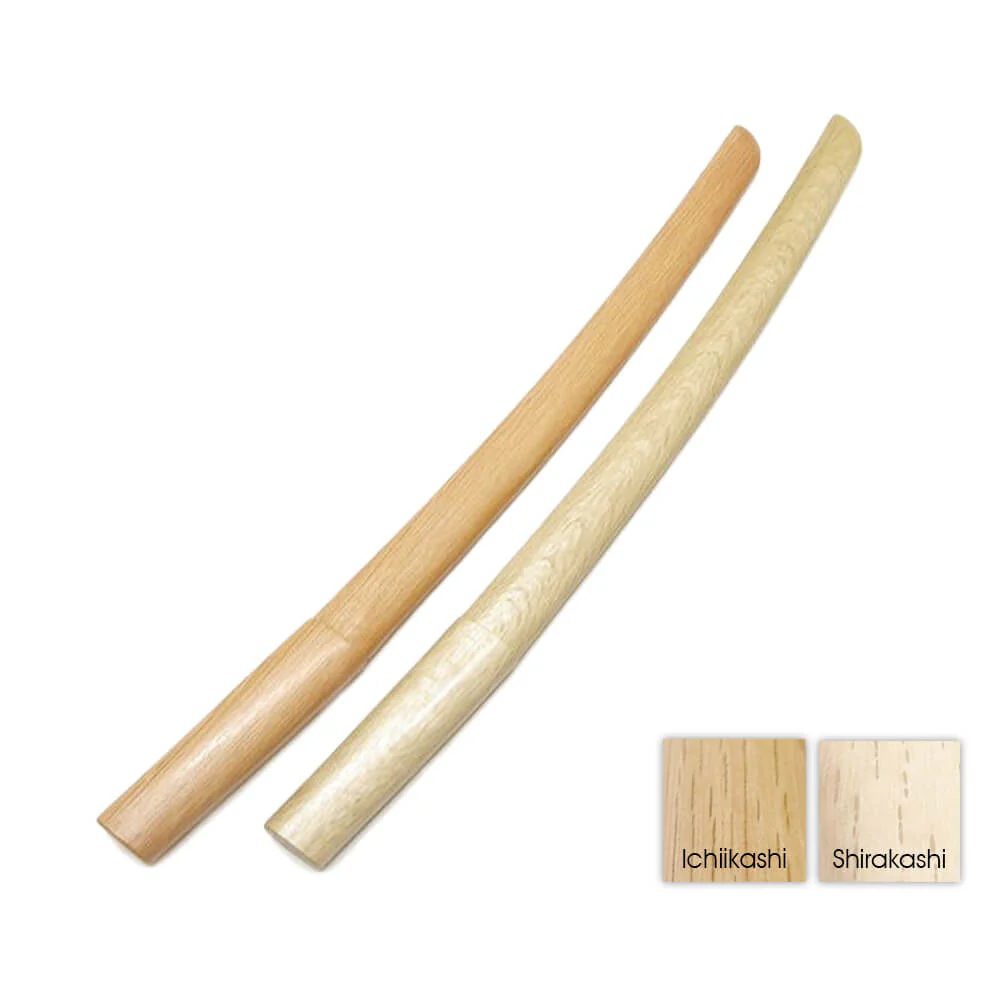
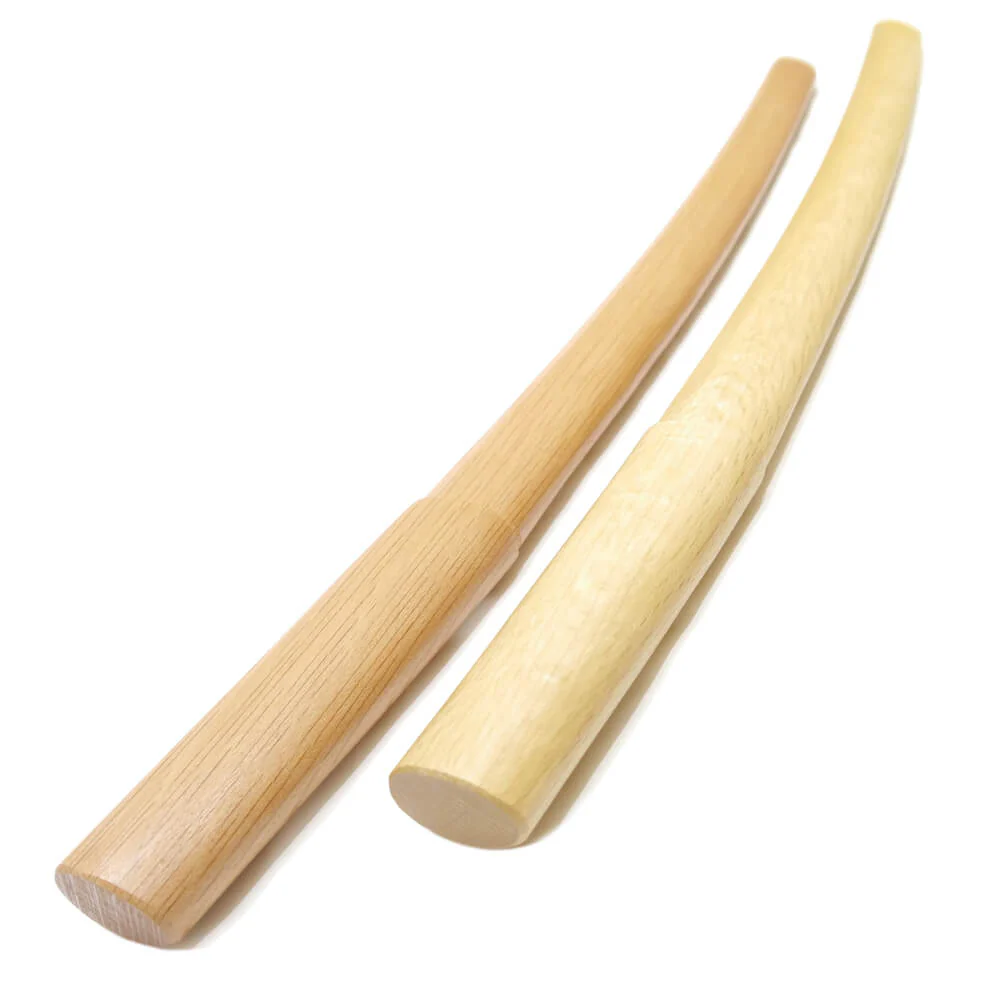
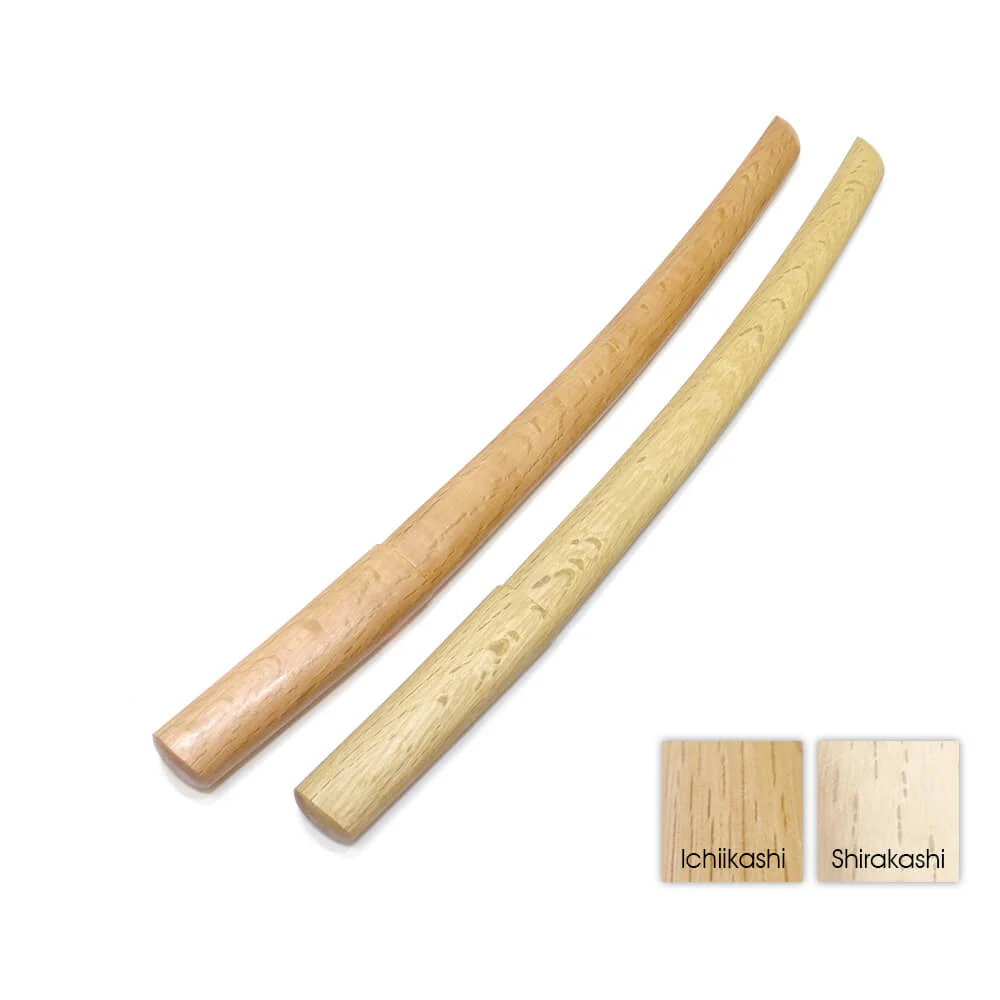
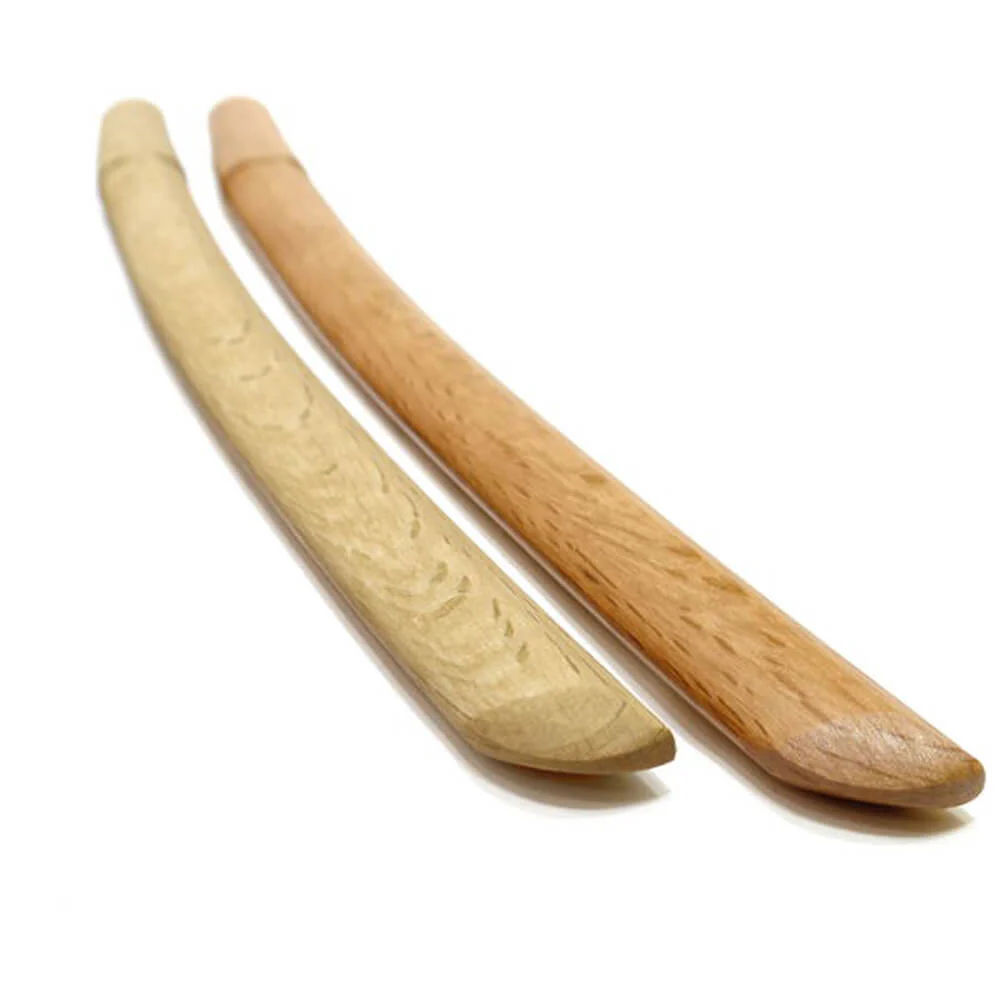
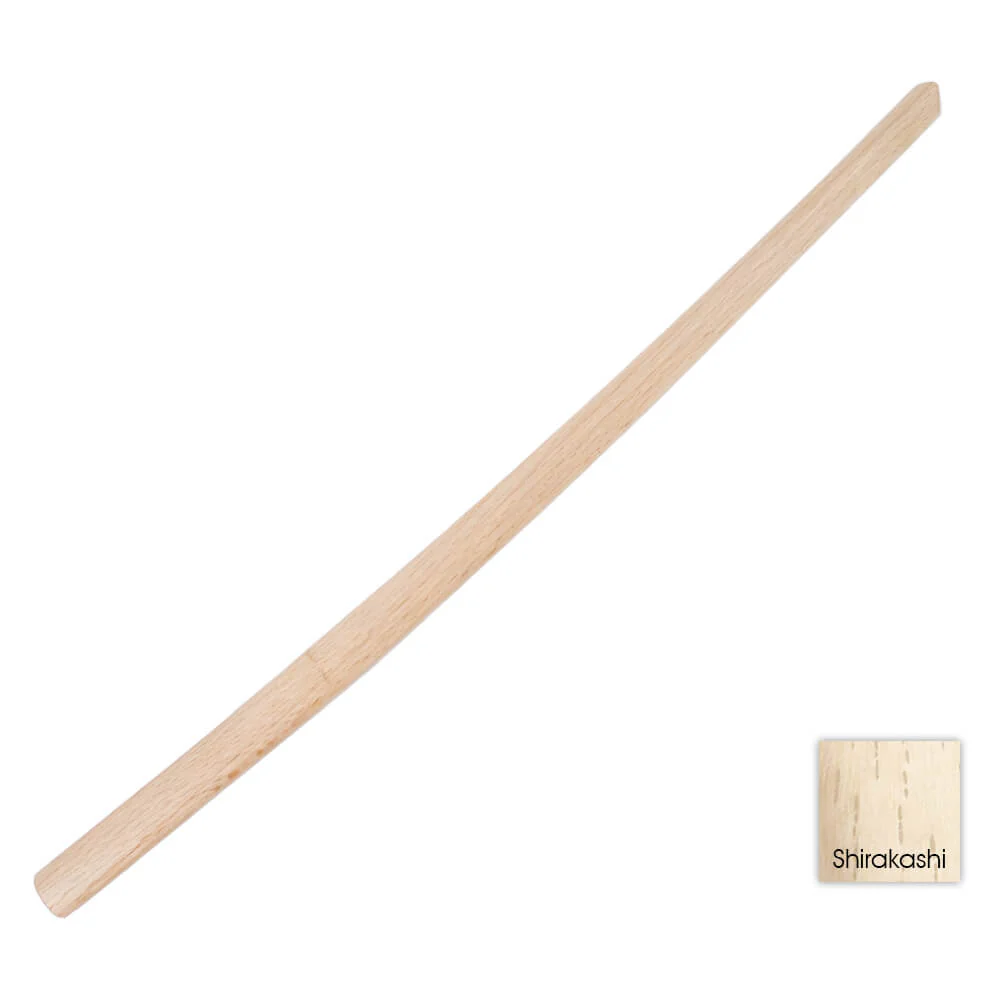
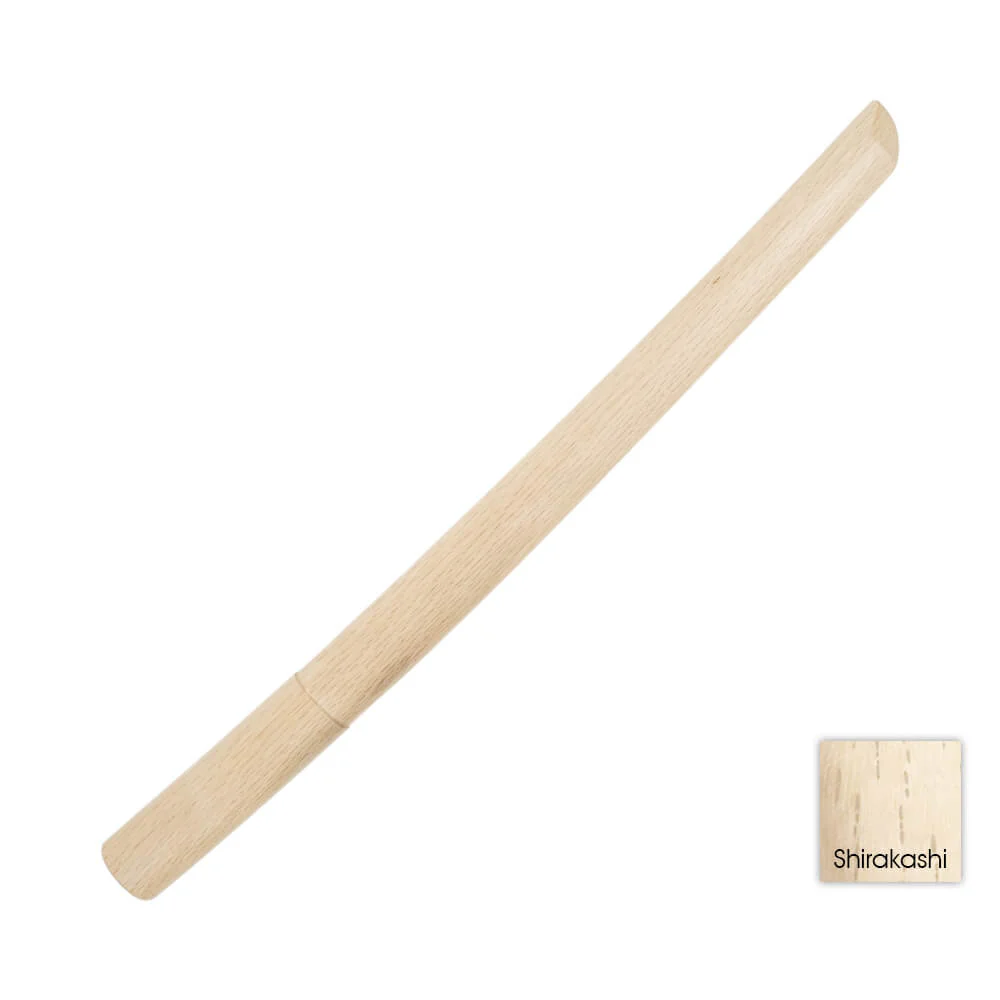
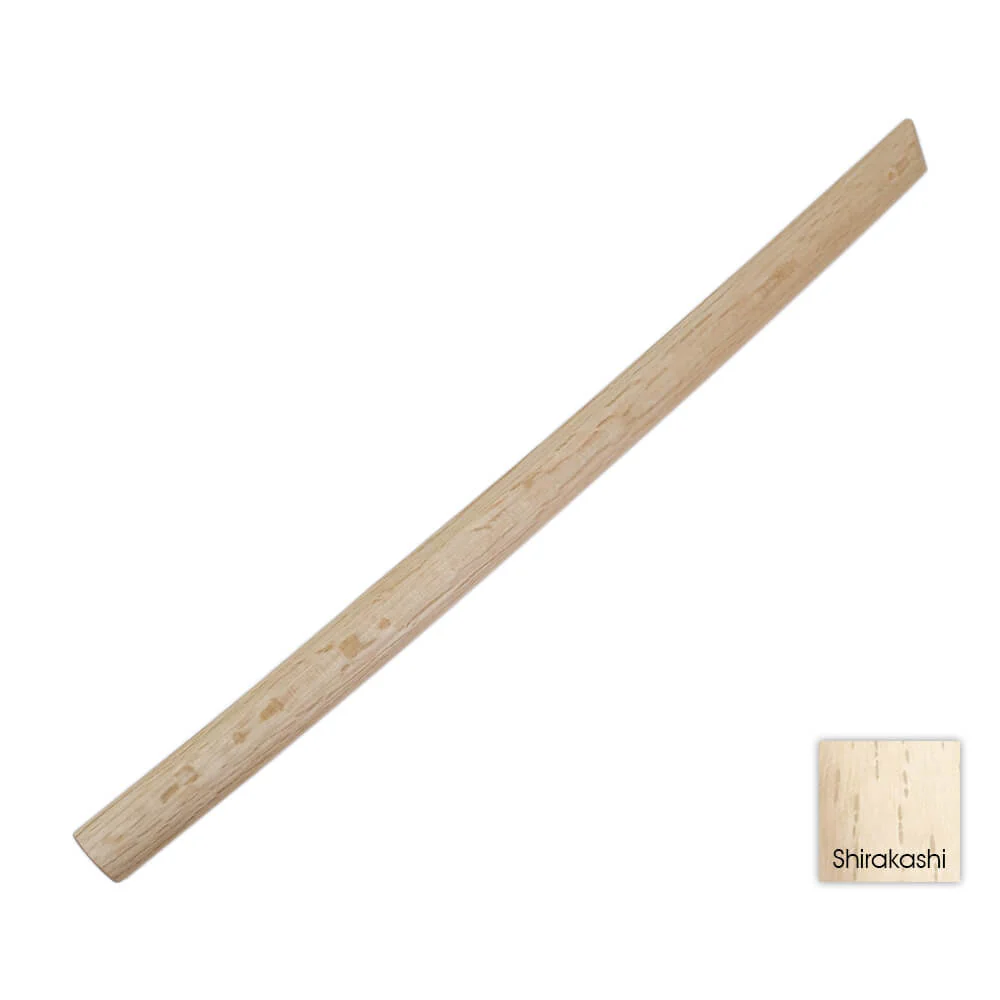
Katori Shinto Ryu Shoto [Aramaki Original] - Classic wood - White Oak
Katori Shinto Ryu Shoto - Aramaki Original
Made in Japan (Kyushu)
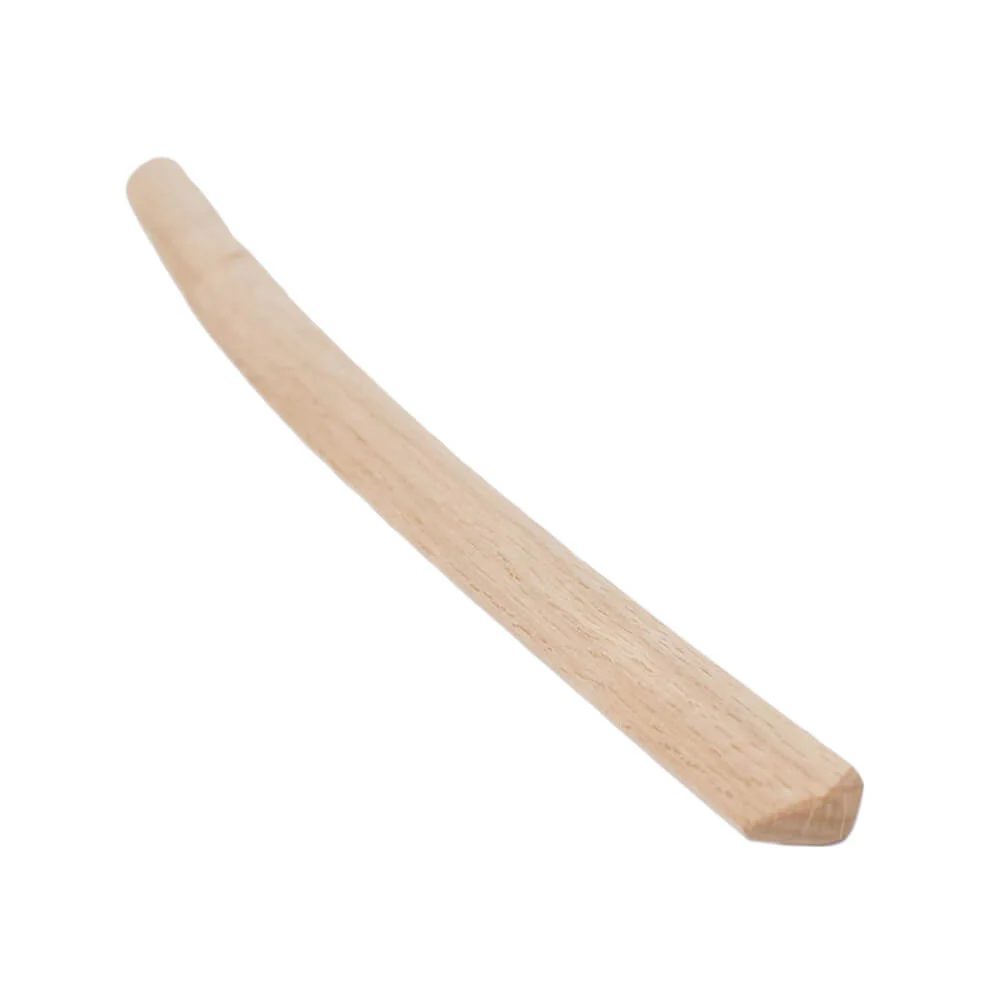
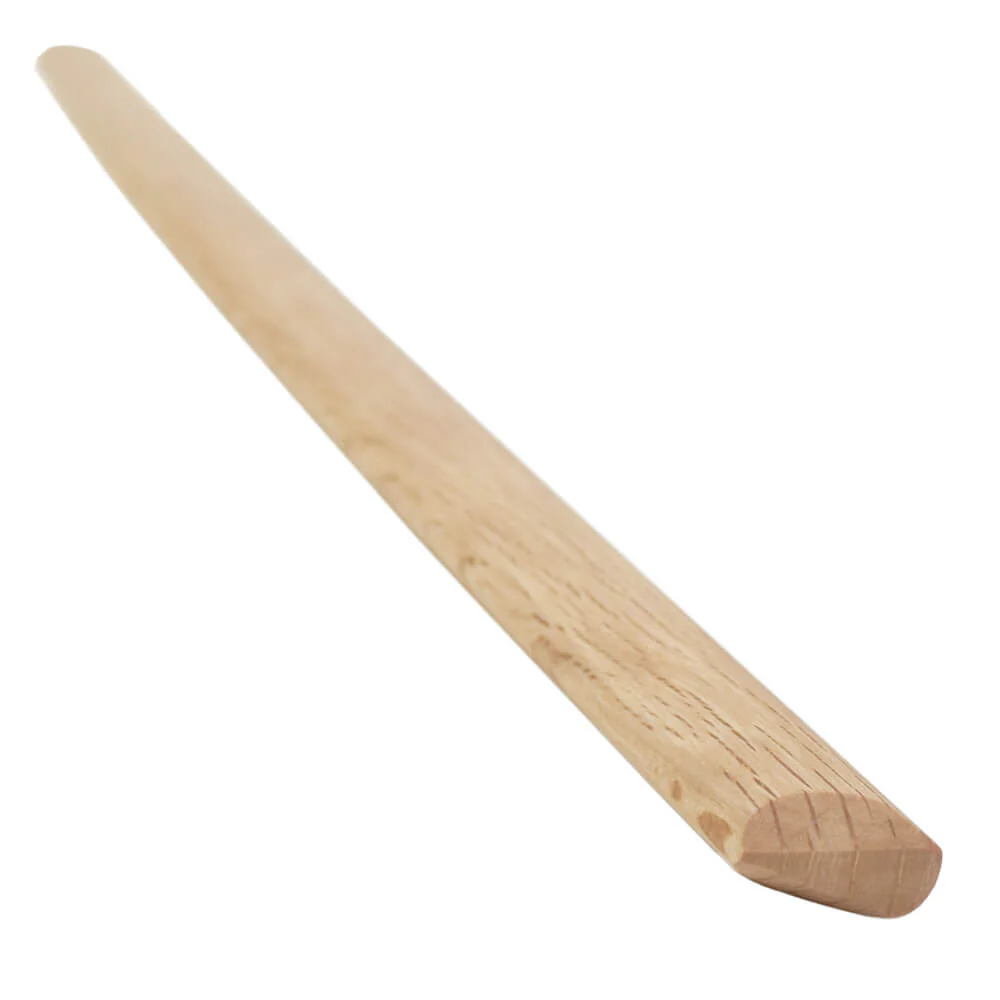
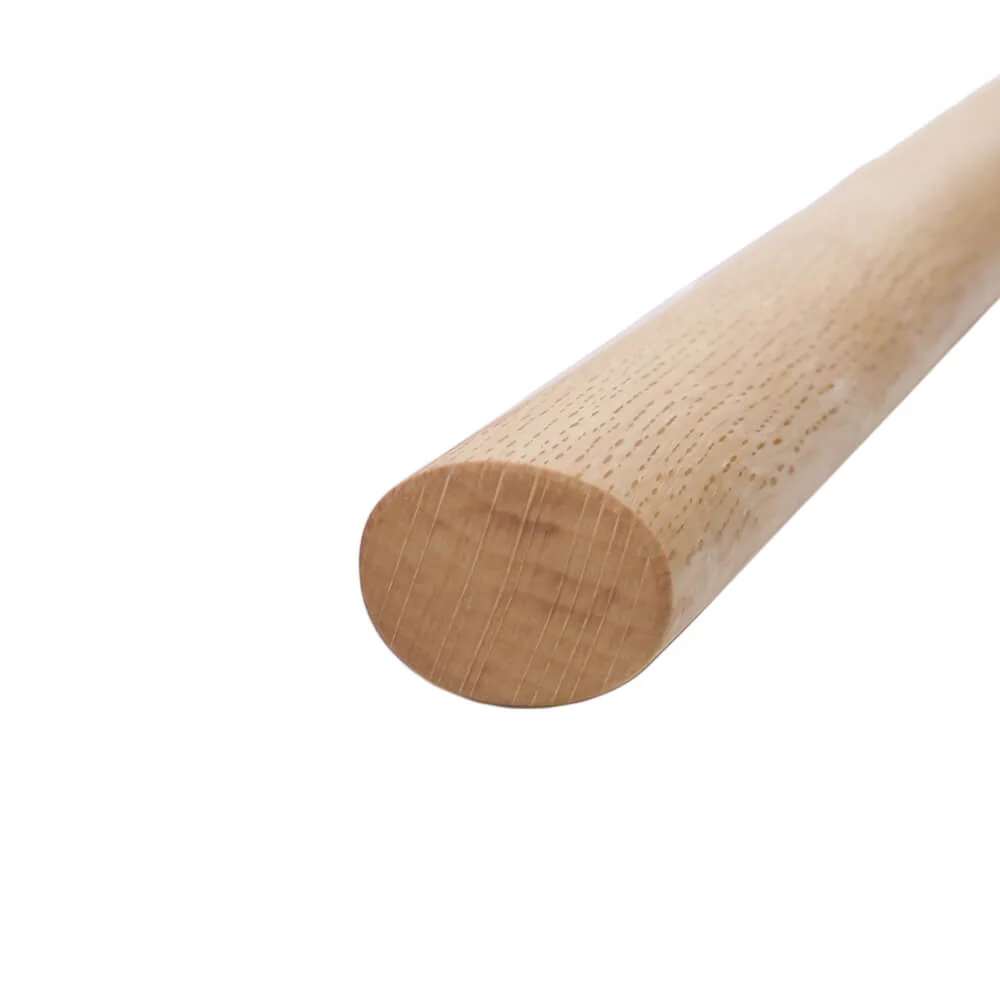
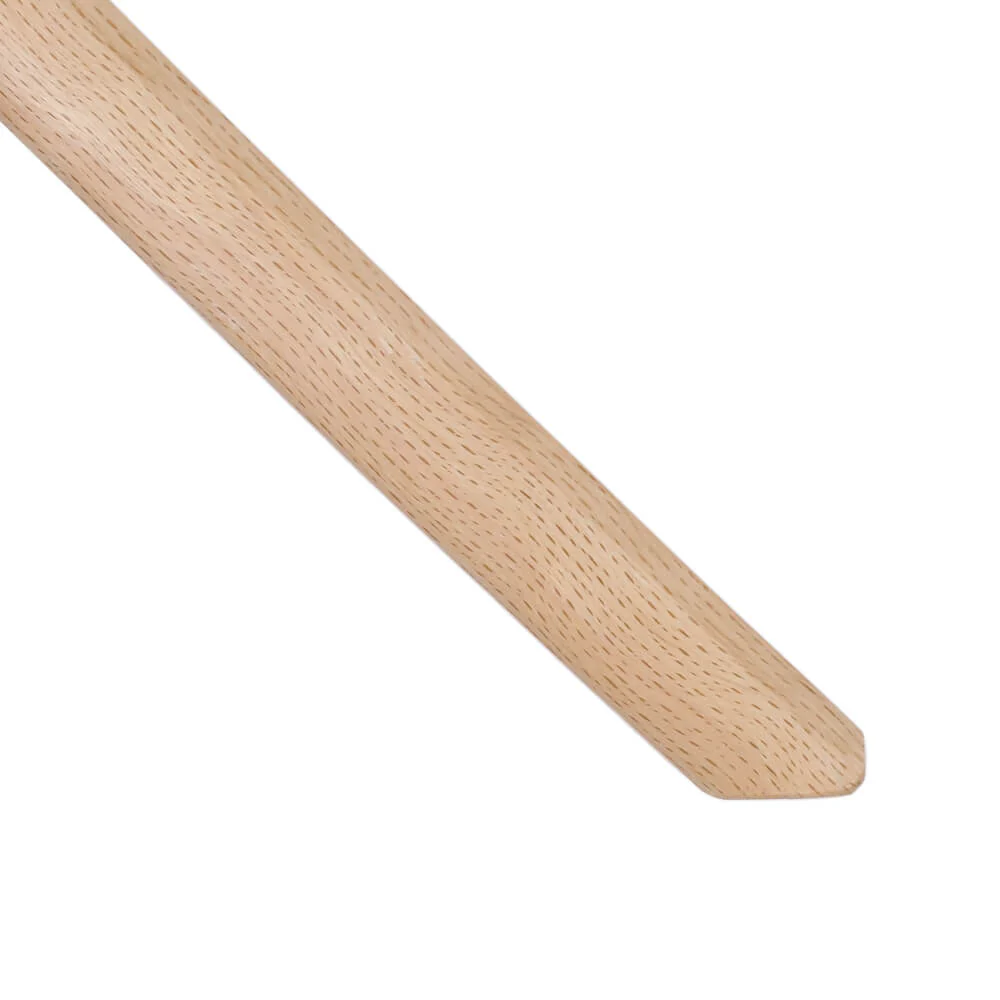
Flat Spine | Flat butt | Beveled Kissaki
White Oak available
This Katori Shinto Ryu Shoto is made from a single piece of white oak and manufactured in the southern islands of Kyushu (Japan), at the Aramaki workshop. With a shape slightly shorter but thicker than that of a classic Shoto, this model is used by practitioners of the Kenjutsu school with the complete name called "Tenshin Shoden Katori Shinto Ryu", but is also part of the equipment of certain teachers of the Yoseikan Budo and the Aikibudo.
Depending on which workshop Dojos and branches have connections with, a specific Koryu Shoto is often slightly different from one workshop to another.
At Seido, we consider the Matsuzaki Katori Shinto Ryu model as standard, and it is the one we have available in stock, but because Seido is also the main reference for Katori practitioners outside Japan, we have decided to also offer Aramaki's version.
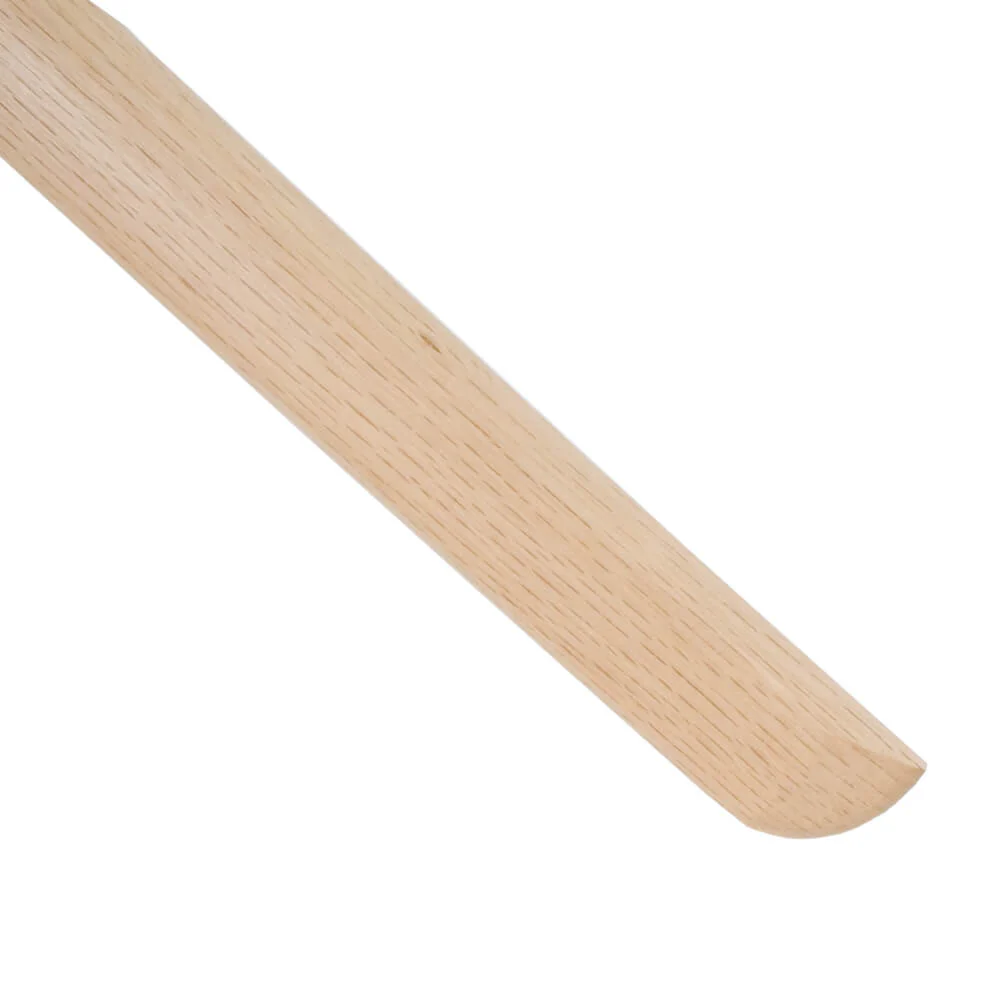
The main difference is that it has a slightly more stylized kissaki (tip) and is also slightly thicker. The Aramaki version also has a slightly deeper curve (sori).
Aramaki's version is fully handmade, no machine or guide is used for the curvature, so this model is significantly more expensive.
We also offer the Katori Bokken made by the Aramaki workshop.
This product is also available in the Katori Shinto Ryu Daisho (Aramaki Model) - Bokken & Shoto Set with a 1000 YEN rebate in comparison to separate purchases.
- Choice of wood species: White oak
- Available finish: Standard Finish or Seido Special Finish
- Manufacturing workshop: Aramaki
We also offer the Katori Shinto Ryu Naginata Shinbukan Version and the Katori Shinto Ryu Naginata Sugino Version.
Finish options:
In 2021, with concerns for the workers, all workshops greatly reduced the number of urethane-varnished weapons and replaced the finish with "Candle Wax". Seido is now transitioning to a new finish offer for the majority of its weapons.
Standard Finish: At Seido, we complete the workshop finish with Camelia oil treatment by default. This is the standard Seido finish.
We do not apply any additional polishing for this finish, so some weapons might have a slightly rough surface.
For maintenance, we recommend that you oil your weapons about once a month with a vegetal-based oil.
Seido Special Finish: For this special Finish, we first apply a Camelia oil polish (oiling and sanding the weapons with oiled sandpaper), then we finish the weapon with high-quality beeswax. This finish makes the wood as smooth as it can be and guarantees excellent protection for several months.
For maintenance, we recommend at least to oil your weapons every month or so. You can also apply wax a few hours after oiling your weapons (if some oil remains on the wood, remove it with a piece of cloth or tissue).
| Wood | Shirakashi (White Oak) |
|
|---|---|---|
| Weight | ~320 g | |
| Full length | 54.5 cm | |
| Blade length | 38 cm | |
| Tsuka length | 16.5 cm | |
| Tsuka diameter | 37 x 27 mm | |
| Mine | Hiramine (flat spine) | |
| Tsuka shape | Taira (flat butt) | |
| Kissaki | Beveled (original Kissaki) | |
*Due to the hand-made manufacturing, color and weight may vary slightly from one weapon to another
About Katori Shinto Ryu :
The school Katori Shinto Ryu, or also called Tenshin Shoden Katori Shinto Ryu is undoubtedly one of the oldest martial art schools of Japan. Founded mid 15th century by Iizasa Ienao after his retirement at the Shinto Katori Jingu, a shrine dedicated to the Gods of martial arts. This school like most of the traditional schools, does not only understand the techniques with the sword (kenjutsu and iaijutsu), but also numerous techniques with other weapons, such as the Naginata, the spear (sojutsu) and the Shuriken, and techniques without weapons (jujutsu). The teachings of the Katori Shinto differs significantly from other schools in focusing on the training of technical strategies and military logistics. In this school the Soke currently holds no more than a representative role, the technical responsibility is entrusted to Kyoso Shigetoshi Shihan. The school was popularized in Europe due to certain dissident forms of practice included in the Yoseikan Budo (Minoru Mochizuki) and in the Aikibudo (Alain Floquet) but the official current is quite well represented outside Japan as well.
Original: $86.00
-70%$86.00
$25.80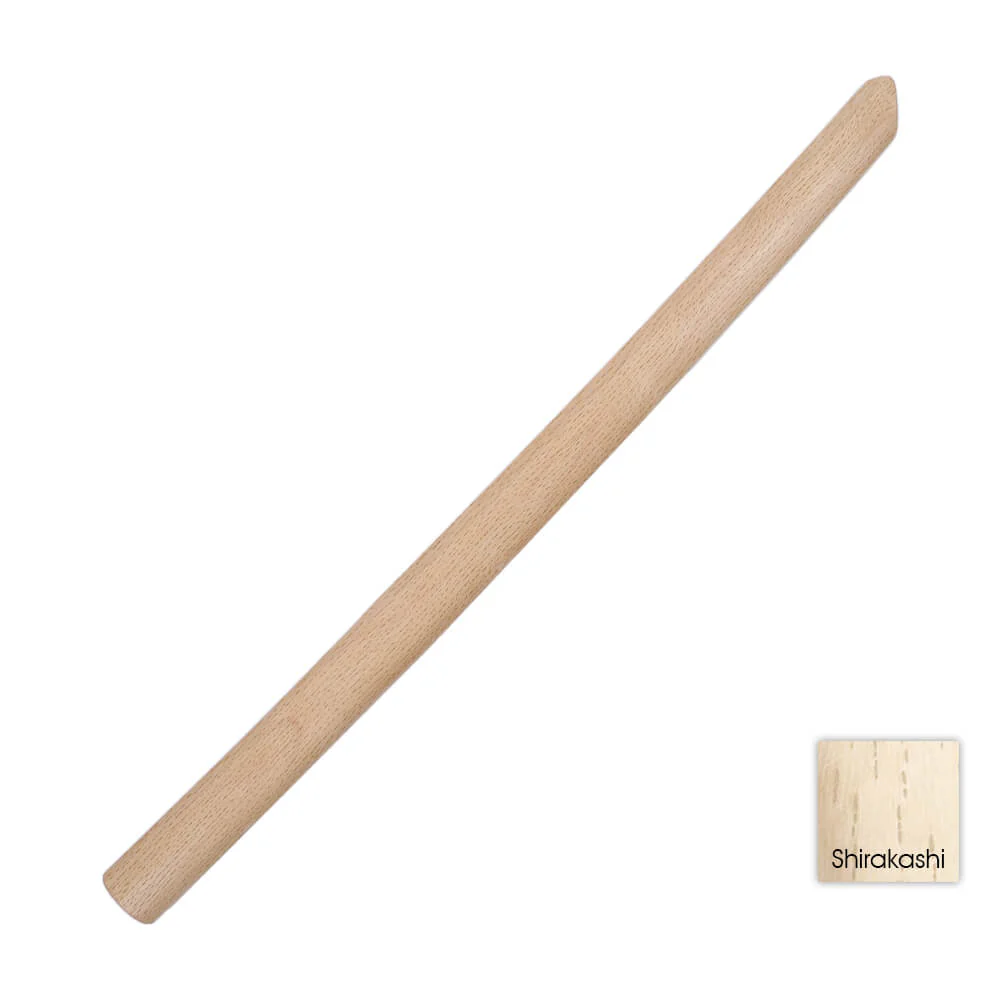
Description
Katori Shinto Ryu Shoto - Aramaki Original
Made in Japan (Kyushu)
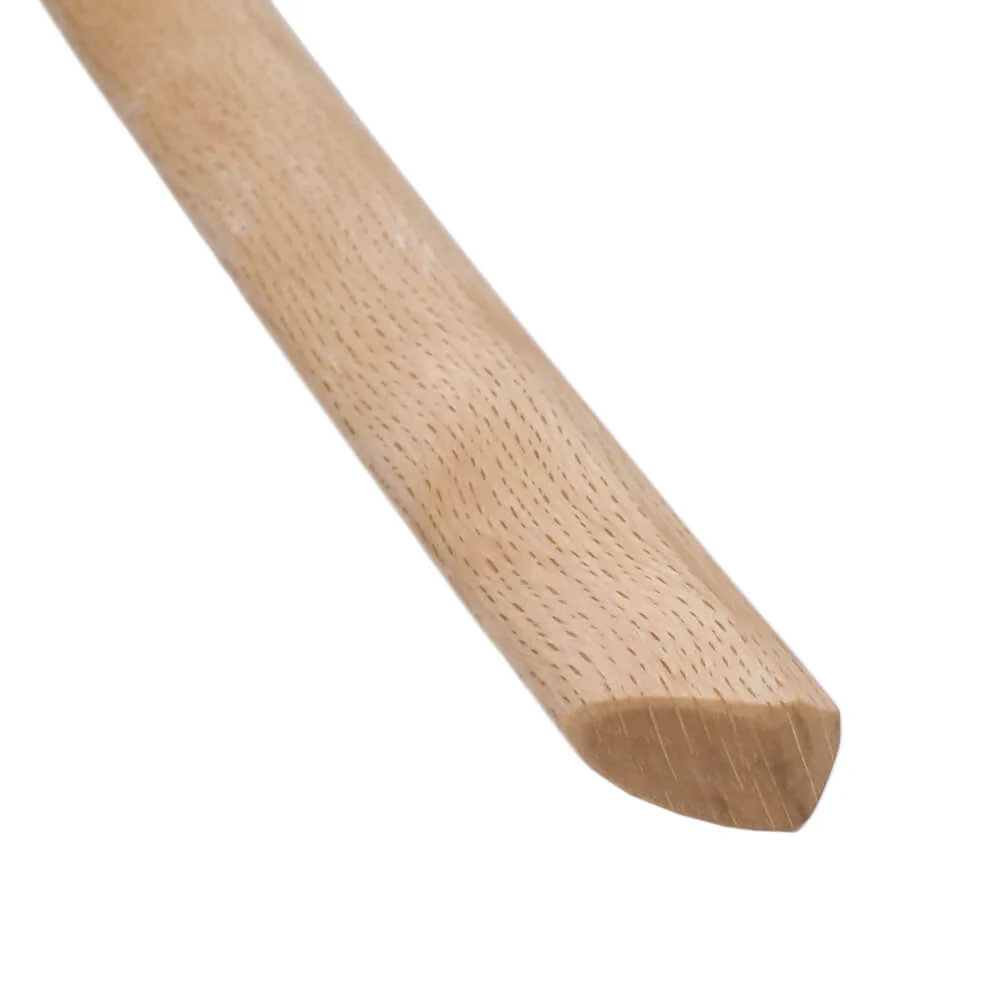
Flat Spine | Flat butt | Beveled Kissaki
White Oak available
This Katori Shinto Ryu Shoto is made from a single piece of white oak and manufactured in the southern islands of Kyushu (Japan), at the Aramaki workshop. With a shape slightly shorter but thicker than that of a classic Shoto, this model is used by practitioners of the Kenjutsu school with the complete name called "Tenshin Shoden Katori Shinto Ryu", but is also part of the equipment of certain teachers of the Yoseikan Budo and the Aikibudo.
Depending on which workshop Dojos and branches have connections with, a specific Koryu Shoto is often slightly different from one workshop to another.
At Seido, we consider the Matsuzaki Katori Shinto Ryu model as standard, and it is the one we have available in stock, but because Seido is also the main reference for Katori practitioners outside Japan, we have decided to also offer Aramaki's version.
The main difference is that it has a slightly more stylized kissaki (tip) and is also slightly thicker. The Aramaki version also has a slightly deeper curve (sori).
Aramaki's version is fully handmade, no machine or guide is used for the curvature, so this model is significantly more expensive.
We also offer the Katori Bokken made by the Aramaki workshop.
This product is also available in the Katori Shinto Ryu Daisho (Aramaki Model) - Bokken & Shoto Set with a 1000 YEN rebate in comparison to separate purchases.
- Choice of wood species: White oak
- Available finish: Standard Finish or Seido Special Finish
- Manufacturing workshop: Aramaki
We also offer the Katori Shinto Ryu Naginata Shinbukan Version and the Katori Shinto Ryu Naginata Sugino Version.
Finish options:
In 2021, with concerns for the workers, all workshops greatly reduced the number of urethane-varnished weapons and replaced the finish with "Candle Wax". Seido is now transitioning to a new finish offer for the majority of its weapons.
Standard Finish: At Seido, we complete the workshop finish with Camelia oil treatment by default. This is the standard Seido finish.
We do not apply any additional polishing for this finish, so some weapons might have a slightly rough surface.
For maintenance, we recommend that you oil your weapons about once a month with a vegetal-based oil.
Seido Special Finish: For this special Finish, we first apply a Camelia oil polish (oiling and sanding the weapons with oiled sandpaper), then we finish the weapon with high-quality beeswax. This finish makes the wood as smooth as it can be and guarantees excellent protection for several months.
For maintenance, we recommend at least to oil your weapons every month or so. You can also apply wax a few hours after oiling your weapons (if some oil remains on the wood, remove it with a piece of cloth or tissue).
| Wood | Shirakashi (White Oak) |
|
|---|---|---|
| Weight | ~320 g | |
| Full length | 54.5 cm | |
| Blade length | 38 cm | |
| Tsuka length | 16.5 cm | |
| Tsuka diameter | 37 x 27 mm | |
| Mine | Hiramine (flat spine) | |
| Tsuka shape | Taira (flat butt) | |
| Kissaki | Beveled (original Kissaki) | |
*Due to the hand-made manufacturing, color and weight may vary slightly from one weapon to another
About Katori Shinto Ryu :
The school Katori Shinto Ryu, or also called Tenshin Shoden Katori Shinto Ryu is undoubtedly one of the oldest martial art schools of Japan. Founded mid 15th century by Iizasa Ienao after his retirement at the Shinto Katori Jingu, a shrine dedicated to the Gods of martial arts. This school like most of the traditional schools, does not only understand the techniques with the sword (kenjutsu and iaijutsu), but also numerous techniques with other weapons, such as the Naginata, the spear (sojutsu) and the Shuriken, and techniques without weapons (jujutsu). The teachings of the Katori Shinto differs significantly from other schools in focusing on the training of technical strategies and military logistics. In this school the Soke currently holds no more than a representative role, the technical responsibility is entrusted to Kyoso Shigetoshi Shihan. The school was popularized in Europe due to certain dissident forms of practice included in the Yoseikan Budo (Minoru Mochizuki) and in the Aikibudo (Alain Floquet) but the official current is quite well represented outside Japan as well.